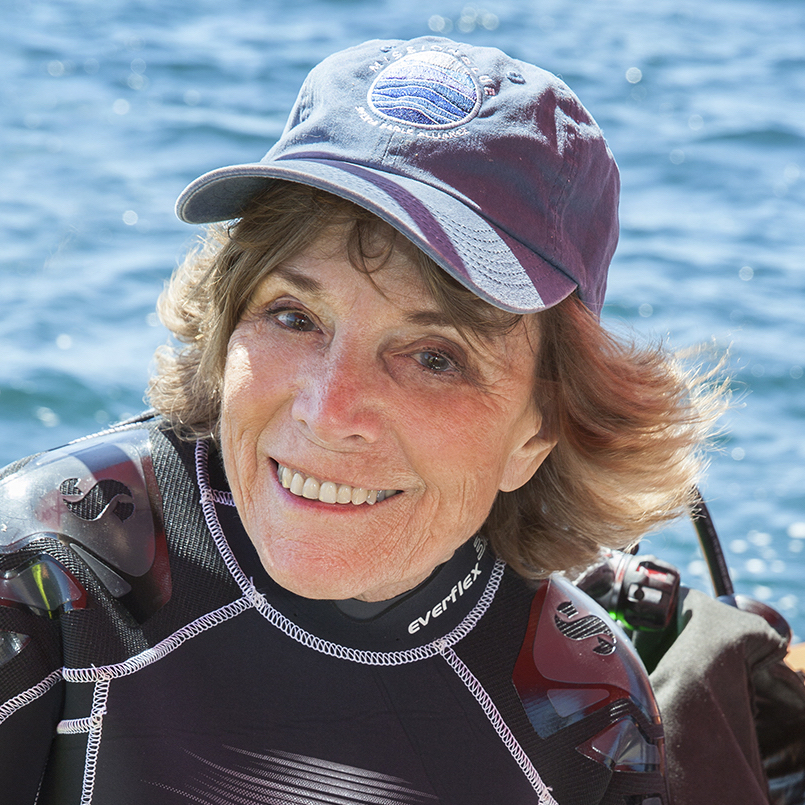
Sylvia A. Earle
Chairman, Founder and President
National Geographic Society Explorer in Residence Dr. Sylvia A. Earle, called Her Deepness by the New Yorker and the New York Times, Living Legend by the Library of Congress, and first Hero for the Planet by Time Magazine, is an oceanographer, explorer, author and lecturer with experience as a field research scientist,...
Read Full Bio
National Geographic Society Explorer in Residence Dr. Sylvia A. Earle, called Her Deepness by the New Yorker and the New York Times, Living Legend by the Library of Congress, and first Hero for the Planet by Time Magazine, is an oceanographer, explorer, author and lecturer with experience as a field research scientist, government official, and director for corporate and non-profit organizations including the Kerr McGee Corporation, Dresser Industries, Oryx Energy, the Aspen Institute, the Conservation Fund, American Rivers, Mote Marine Laboratory, Duke University Marine Laboratory, Rutgers Institute for Marine Science, the Woods Hole Oceanographic Institution, National Marine Sanctuary Foundation, and Ocean Futures.
Formerly Chief Scientist of NOAA, Dr. Earle is the Founder of Deep Ocean Exploration and Research, Inc. (DOER), Founder of the Sylvia Earle Alliance (S.E.A.) / Mission Blue, Chair of the Advisory Council of the Harte Research Institute, inspiration for the ocean in Google Earth, leader of the NGS Sustainable Seas Expeditions, and the subject of the 2014 Netflix film, Mission Blue. She has a B.S. degree from Florida State University, M.S. and PhD. from Duke University, 27 honorary degrees and has authored more than 200 scientific, technical and popular publications including 13 books (most recently Blue Hope in 2014), lectured in more than 90 countries, and appeared in hundreds of radio and television productions.
She has led more than 100 expeditions and logged more than 7,000 hours underwater including leading the first team of women aquanauts during the Tektite Project in 1970, participating in ten saturation dives, most recently in July 2012, and setting a record for solo diving in 1,000 meters depth. Her research concerns marine ecosystems with special reference to exploration, conservation and the development and use of new technologies for access and effective operations in the deep sea and other remote environments.
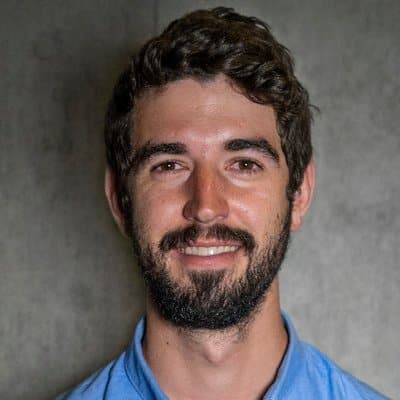
Dr. Guillermo Ortuño Crespo
Co-lead of the IUCN WCPA High Seas Specialist Group
Dr. Guillermo Ortuño Crespo is a marine applied ecologist with over a decade of international experience in marine biodiversity conservation and sustainable use, focusing on governance and management in areas beyond national jurisdiction.
He holds a bachelor’s degree in Marine Biology from Rollins College and Duke University, and a Master of Science in Ecosystem-Based Management from the University of St Andrews. He completed his PhD in Marine Science and Conservation at Duke University, where his research addressed governance and scientific challenges in high seas fisheries and biodiversity conservation. His work engaged closely with negotiations of the Biodiversity Beyond National Jurisdiction (BBNJ) Agreement since 2015, contributing over a dozen policy briefs for government delegations and peer-reviewed research on ecological connectivity and spatial management.…...
Read Full Bio
Dr. Guillermo Ortuño Crespo is a marine applied ecologist with over a decade of international experience in marine biodiversity conservation and sustainable use, focusing on governance and management in areas beyond national jurisdiction.
He holds a bachelor’s degree in Marine Biology from Rollins College and Duke University, and a Master of Science in Ecosystem-Based Management from the University of St Andrews. He completed his PhD in Marine Science and Conservation at Duke University, where his research addressed governance and scientific challenges in high seas fisheries and biodiversity conservation. His work engaged closely with negotiations of the Biodiversity Beyond National Jurisdiction (BBNJ) Agreement since 2015, contributing over a dozen policy briefs for government delegations and peer-reviewed research on ecological connectivity and spatial management.
Following his PhD, Guillermo was a postdoctoral fellow at the Stockholm Resilience Centre, collaborating with the Inter-American Tropical Tuna Commission (IATTC) on spatial management to reduce bycatch, and contributing to SeaBOS, an initiative involving major global seafood corporations to improve environmental and social practices.
He is currently an independent scientific consultant and Co-Chair of the IUCN World Commission on Protected Areas High Seas Specialist Group, where he supports the development of scientific and technical foundations for implementing area-based management tools under the BBNJ Agreement. He also serves as Senior Advisor to the Towards an International Platform for Ocean Sustainability initiative.
In addition, he is an Honorary Fellow at the University of Edinburgh, supervising master’s students, and leads a Bezos Earth Fund–supported project through the MigraMar network to improve fisheries management across Central and South America.
His current work focuses on advancing the implementation of the BBNJ Agreement and strengthening governance frameworks for international fisheries in the face of growing overfishing pressures.
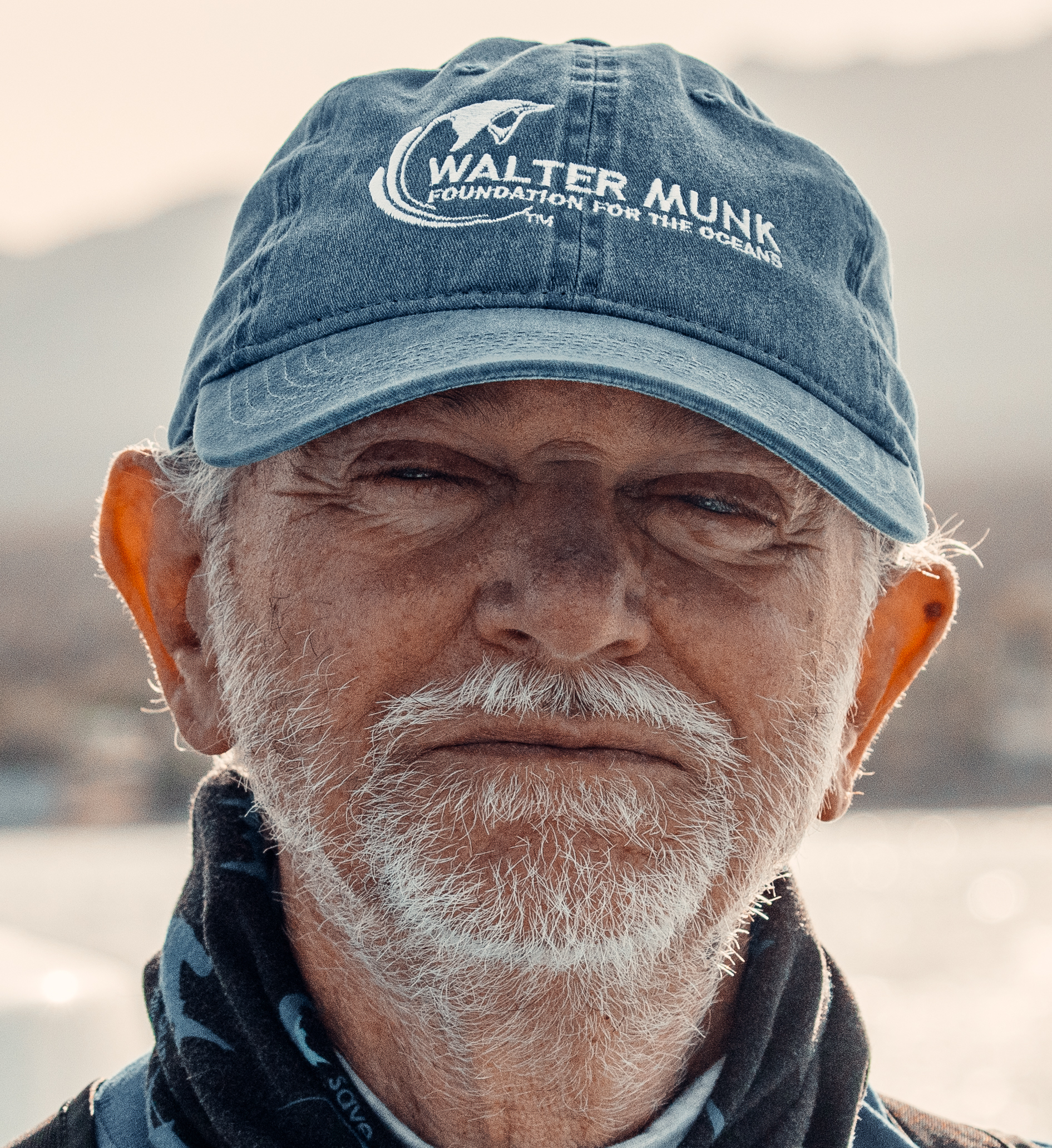
Dr. Giuseppe Notarbartolo di Sciara
Founder and Honorary President, Tethys Research Institute
Giuseppe Notarbartolo di Sciara (PhD, Scripps Institution of Oceanography, UC San Diego, 1985) is a marine conservation ecologist whose work over the past four decades has advanced knowledge of the ecology, behaviour, and taxonomy of marine mammals and sharks. Founder and honorary president of the Tethys Research Institute (1986), he has been a leading force in marine conservation in the Mediterranean and beyond. In 1991, he initiated the creation of the Pelagos Sanctuary for Mediterranean Marine Mammals, the world’s first high-seas marine protected area. From 1996 to 2003, he served as President of ICRAM, Italy’s governmental institute for marine conservation. He was Italy’s Commissioner to the International Whaling Commission (1999–2004), Deputy Chair of the IUCN Cetacean Specialist Group (1991–2022), Chair of the Scientific Committee of ACCOBAMS (2002–2010), and Councillor for aquatic mammals to the U.N.…...
Read Full Bio
Giuseppe Notarbartolo di Sciara (PhD, Scripps Institution of Oceanography, UC San Diego, 1985) is a marine conservation ecologist whose work over the past four decades has advanced knowledge of the ecology, behaviour, and taxonomy of marine mammals and sharks. Founder and honorary president of the Tethys Research Institute (1986), he has been a leading force in marine conservation in the Mediterranean and beyond. In 1991, he initiated the creation of the Pelagos Sanctuary for Mediterranean Marine Mammals, the world’s first high-seas marine protected area. From 1996 to 2003, he served as President of ICRAM, Italy’s governmental institute for marine conservation. He was Italy’s Commissioner to the International Whaling Commission (1999–2004), Deputy Chair of the IUCN Cetacean Specialist Group (1991–2022), Chair of the Scientific Committee of ACCOBAMS (2002–2010), and Councillor for aquatic mammals to the U.N. Convention on Migratory Species (2014–2022). In 2013, he co-founded and continues to co-chair the IUCN Marine Mammal Protected Areas Task Force, launching the Important Marine Mammal Area (IMMA) program. He also serves as senior advisor to the Important Shark and Ray Area (ISRA) initiative. From 2007 to 2016, he taught marine biodiversity conservation at the University Statale of Milan. He is the author of more than 260 scientific publications and 15 books, including Sailing Across a Wounded Sea (Springer Nature, 2024). More information is available at www.disciara.org.
Rili Djohani
Executive Director, Coral Triangle Center, Regional Expert
Rili has worked for over 25 years to improve the management and financial sustainability of marine protected areas and reduce the use of unsustainable fishing practices in Southeast Asia....
Read Full Bio
Rili has worked for over 25 years to improve the management and financial sustainability of marine protected areas and reduce the use of unsustainable fishing practices in Southeast Asia. She is the co-founder and executive director of the Coral Triangle Center (CTC), a learning center of excellence on coastal and marine resources management based in Bali. The programs focus on strengthening local leadership and capacity through an integrated portfolio of Marine Protected Areas learning sites, customized training programs and learning networks, and facilitation of public private partnerships in the Coral Triangle region.
Rili worked for The Nature Conservancy (TNC) from 1995-2011 collaborating closely with communities, governments, NGOs, private sector, bi-and multilateral agencies. Rili led an innovative financing and collaborative management initiative in Komodo National Park with the International Finance Corporation of the World Bank. She established TNC’s Coral Triangle Center program in Bali in 2000 and served as TNC’s Country Director for Indonesia from 2004-2008. She was a member of the core team that facilitated the roadmap towards the launch of the Coral Triangle Initiative for Coral Reefs, Fisheries and Food Security (CTI- CFF). Rili was appointed the TNC Coral Triangle Program Director in 2009 and focused on government and partner relations in the Asia Pacific region. She worked closely with the Conservancy to launch the CTC as an independent regionally-based nonprofit in 2011. CTC is an official partner to CTI-CFF providing training and connecting local stakeholders across the Coral Triangle region. Rili holds a Master of Science degree in tropical marine ecology from the University of Leiden in the Netherlands and a Master of Science in tropical coastal zone management from the University of Newcastle Upon Tyne in United Kingdom. She has extensive diving experience in the Netherlands, Mediterranean, Caribbean and Asia Pacific.
Dr. Laure Katz
Executive Director, Blue Nature Alliance
Laure Katz is a marine ecologist and ocean conservation leader, with over 20 years of global experience spanning all five ocean basins. Laure serves as the Executive Director of the Blue Nature Alliance, an ambitious global initiative working to accelerate the pace, scale and effectiveness of ocean conservation through partnership. She leads a team of dedicated ocean conservationists and scientists working in partnership with communities, governments, NGOs, and investors to catalyze effective, equitable, and durable ocean conservation around the world at increasingly large scales. Laure spent a decade as a key technical advisor for the Bird’s Head Seascape, in West Papua, Indonesia, a global model for community-driven co-management at the seascape scale and is the key architect behind the Blue Abadi Fund, a dedicated conservation trust fund to ensure the Bird’s Head Seascape’s impact is enduring.…...
Read Full Bio
Laure Katz is a marine ecologist and ocean conservation leader, with over 20 years of global experience spanning all five ocean basins. Laure serves as the Executive Director of the Blue Nature Alliance, an ambitious global initiative working to accelerate the pace, scale and effectiveness of ocean conservation through partnership. She leads a team of dedicated ocean conservationists and scientists working in partnership with communities, governments, NGOs, and investors to catalyze effective, equitable, and durable ocean conservation around the world at increasingly large scales. Laure spent a decade as a key technical advisor for the Bird’s Head Seascape, in West Papua, Indonesia, a global model for community-driven co-management at the seascape scale and is the key architect behind the Blue Abadi Fund, a dedicated conservation trust fund to ensure the Bird’s Head Seascape’s impact is enduring. She brings to the Blue Nature Alliance practical MPA management experience, scientific, and conservation finance expertise, a passion for swimming with sharks, and a continual curiosity to learn from new places and people. Laure earned an interdisciplinary B.S. and M.S. in Earth and Ocean Systems from Stanford University and a global MBA from University of Virginia’s Darden School of Business.
Prof Dan Laffoley
Chair, Hope Spot Council
Dan is Emeritus Marine Vice Chair of WCPA, having retired from that position in 2022. During his near two decades of work for WCPA he led the increase of MPA coverage from around 1.3% of the global ocean to the c8% seen today, the creation of the original global 20 – 30% MPA target in the Durban Accord, and the ‘at least 30%’ MPA target at Sydney World Park Congress. The latter, resoundingly supported by IUCN members at Hawaii World Conservation Congress, and adopted for land and freshwater, has now become the central focus for negotiations in the CBD’s post-2020 biodiversity framework. During his tenure, among many significant achievements, he was instrumental in forming the High Seas Alliance, in laying the basis for UNESCO’s Marine World Heritage Programme, and creating such influential phrases as ‘marine and coastal carbon sinks’, ‘ocean risk’, and ‘natural solutions’. Working with his co-editor Professor John Baxter, together they created some of the most downloaded publications for IUCN in recent decades, focused on elevating topics such as ‘ocean warming’ and ‘ocean deoxygenation’ into the global public domain. He also led Commission members in the development of specific marine WCPA guidance on the IUCN Management Categories and created and led the development of IUCN’s MPA Standards....
Read Full Bio
Dan is Emeritus Marine Vice Chair of WCPA, having retired from that position in 2022. During his near two decades of work for WCPA he led the increase of MPA coverage from around 1.3% of the global ocean to the c8% seen today, the creation of the original global 20 – 30% MPA target in the Durban Accord, and the ‘at least 30%’ MPA target at Sydney World Park Congress. The latter, resoundingly supported by IUCN members at Hawaii World Conservation Congress, and adopted for land and freshwater, has now become the central focus for negotiations in the CBD’s post-2020 biodiversity framework. During his tenure, among many significant achievements, he was instrumental in forming the High Seas Alliance, in laying the basis for UNESCO’s Marine World Heritage Programme, and creating such influential phrases as ‘marine and coastal carbon sinks’, ‘ocean risk’, and ‘natural solutions’. Working with his co-editor Professor John Baxter, together they created some of the most downloaded publications for IUCN in recent decades, focused on elevating topics such as ‘ocean warming’ and ‘ocean deoxygenation’ into the global public domain. He also led Commission members in the development of specific marine WCPA guidance on the IUCN Management Categories and created and led the development of IUCN’s MPA Standards.
Sandra Bessudo Lion
Marine Biologist with EcolePratique de Hautes Etudes
Marine Biologist from the EcolePratique de Hautes Etudes (EPHE) in Paris, with a Masters in Life and Earth Sciences Studies in Perpignan (France). Professional diver, with over 5,000 immersions in open waters. Sandra Bessudo is a professional strongly committed with the conservation of marine biodiversity and the protection of the environment. ...
Read Full Bio
Marine Biologist from the EcolePratique de Hautes Etudes (EPHE) in Paris, with a Masters in Life and Earth Sciences Studies in Perpignan (France). Professional diver, with over 5,000 immersions in open waters. Sandra Bessudo is a professional strongly committed with the conservation of marine biodiversity and the protection of the environment. She was High Presidential Counselor for Environmental Management, Biodiversity, Water and Climate Changeto the President of Colombia until January 2012, when she took on the General Direction of the Colombian Presidential Agency of International Cooperation, APC-Colombia, government entity in charge of managing and technically coordinating all public and private non – refundable international cooperation received and granted by the country.
Since November 2014 Sandra Bessudo is the Director of the Malpelo and Other Marine Ecosystems Foundation, she is an active promoter in the establishment of the Malpelo Island Flora and Fauna Sanctuary, positioning the Sanctuary as an international model for marine conservation, recognized by the International Maritime Organization (IMO) as a “Particular Sensitive Sea Area” and also declared a World Heritage Site under UNESCO. She has led several research projects on sharks using acoustic and satellite telemetry, and worked in the National Natural Parks Unit of the Ministry of Environment of Colombia. Hostess of the The Razor´s Edge, a cultural programme in National Television, she also collaborated with Ocensarecording underwater footage and serving as an advisor to the Ministry of Foreign Affairs for Expolisboa 98. Having served as Coordinator of the Workshops and Conference Cycles in Colombia for the International Year of the Oceans, she has also worked as a Diving instructor and Master Diver. Sandra Bessudo has independently produced dozens of publications, videos and specialized documentaries. Among her awards, she was recognized with the Medal for Distinguished Services rendered to the General Maritime Direction, a distinction awarded by the Colombian Navy, the 2011 Biosphere Awareness Award granted by the Mayors of Cadiz (Spain) and Mariquita (Colombia) and the Environmental Civil Order Merit “Thomas van der Hammen” Grand Gold Cross Degree, awarded in the Colombian Congress by the Council of Environmental NGOs, along with many other recognitions that she has received in Colombia and abroad.
Dr. Lance Morgan
President and CEO Marine Conservation Institute
Dr. Lance Morgan is a marine biologist and president of Marine Conservation Institute. Lance received his Master’s in Marine Science from San Francisco State University and PhD in Ecology from the University of California-Davis (1997). ...
Read Full Bio
Dr. Lance Morgan is a marine biologist and president of Marine Conservation Institute. Lance received his Master’s in Marine Science from San Francisco State University and PhD in Ecology from the University of California-Davis (1997). As a graduate student he participated in missions at the Aquarius underwater habitat in the Florida Keys. He has explored the ocean as a SCUBA diver, aquanaut and submersible pilot. He led the identification of Marine Priority Conservation Areas from Baja California to the Bering Sea for the Commission for Environmental Cooperation (2005), and has authored reports on the impacts of fishing methods on marine life as well as scientific papers on marine protected areas. In 2010 he traveled to the remote Johnston Atoll in the Central Pacific to help establish the first field camp at this new marine protected area. He currently chairs the Board for the Deep Sea Conservation Coalition, holds the conservation seat for Cordell Bank National Marine Sanctuary Advisory Council and holds a research faculty appointment at Bodega Marine Laboratory. He provides strategic leadership for Marine Conservation Institutes largest initiatives – the Global Ocean Refuge System and MPAtlas.org
Dr. Felipe Paredes Vargas
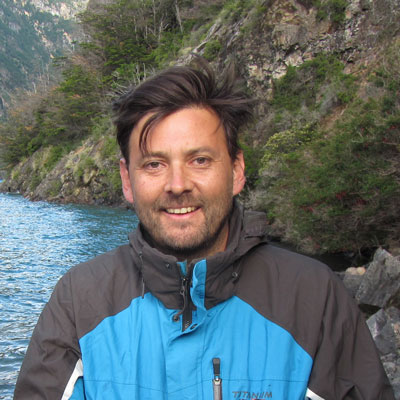
Felipe is a marine biologist from Chile, with more than 20 years of experience in scientific research, education and marine conservation public policy. He is currently Vice Chair for the Marine theme at WCPA-IUCN. In Chile he is the National Coordinator of the Marine Protected Areas of the Ministry of Environment, a MPA system that covers more than 43% of the Chilean oceans. He has extensive experience in marine protected areas, leading the designation, planning and implementation processes of MPAs. In 2017 he organized the 4th International Marine Protected Areas Congress IMPAC4 in La Serena, Chile and today coordinates the CPPS Southeast Pacific MPA working group. In 2019 he coordinated the marine theme of IUCN´s 3rd Latin American and Caribbean Protected Areas Congress III CAPLAC in Lima, Perú.…...
Read Full Bio
Felipe is a marine biologist from Chile, with more than 20 years of experience in scientific research, education and marine conservation public policy. He is currently Vice Chair for the Marine theme at WCPA-IUCN. In Chile he is the National Coordinator of the Marine Protected Areas of the Ministry of Environment, a MPA system that covers more than 43% of the Chilean oceans. He has extensive experience in marine protected areas, leading the designation, planning and implementation processes of MPAs. In 2017 he organized the 4th International Marine Protected Areas Congress IMPAC4 in La Serena, Chile and today coordinates the CPPS Southeast Pacific MPA working group. In 2019 he coordinated the marine theme of IUCN´s 3rd Latin American and Caribbean Protected Areas Congress III CAPLAC in Lima, Perú. Felipe is a marine biologist from the University of Valparaiso, Master in Marine Affairs from the University of Rhode Island and PhD in Marine Biology from the University of Maine.
Dr. Erick Ross Salazar
Director, Migramar
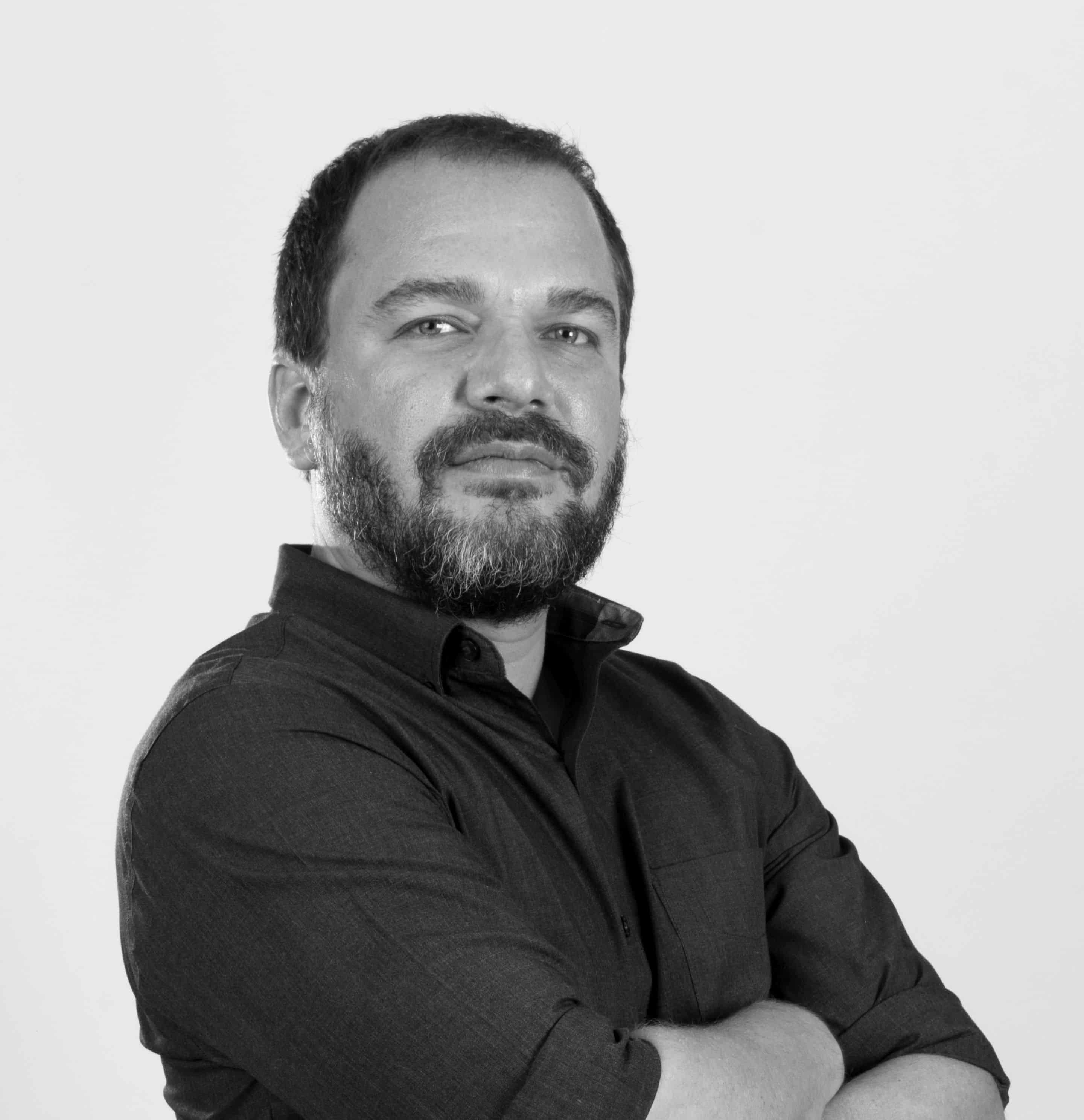
Erick has been working in ocean conservation for over nineteen years, focused especially on marine spatial planning, fisheries management and blue economy. He has experience working on ocean conservation in Latin America, Africa, Southeast Asia and High Seas regions. He has worked directly with governments to help them develop marine governance structures, establish marine protected areas, develop marine spatial plans, promote sustainable fisheries and value chains and trained authorities in these topics. Erick has cooperated with organizations like the Coordinating Body on the Seas of East Asia, the United Nations Environment Programme, the Food and Agriculture Organization of the United Nations, the United Nations Educational, Scientific and Cultural Organization, the German Corporation for International Development and the Global Ocean Biodiversity Initiative.…...
Read Full Bio
Erick has been working in ocean conservation for over nineteen years, focused especially on marine spatial planning, fisheries management and blue economy. He has experience working on ocean conservation in Latin America, Africa, Southeast Asia and High Seas regions. He has worked directly with governments to help them develop marine governance structures, establish marine protected areas, develop marine spatial plans, promote sustainable fisheries and value chains and trained authorities in these topics. Erick has cooperated with organizations like the Coordinating Body on the Seas of East Asia, the United Nations Environment Programme, the Food and Agriculture Organization of the United Nations, the United Nations Educational, Scientific and Cultural Organization, the German Corporation for International Development and the Global Ocean Biodiversity Initiative. He is passionate about marine spatial planning and helping coastal communities and authorities identify ecosystems and habitats that require especial conservation efforts and giving voices to small scale ocean users, reducing their impact on marine ecosystems while improving their quality of life. Erick holds a doctorate degree in Ecology and Management of Living Marine Resources from the University of Las Palmas de Gran Canaria, and an undergraduate degree in Marine and Freshwater Biology from the National University of Costa Rica.
Dr. Lida Teneva
CEO, OneReef
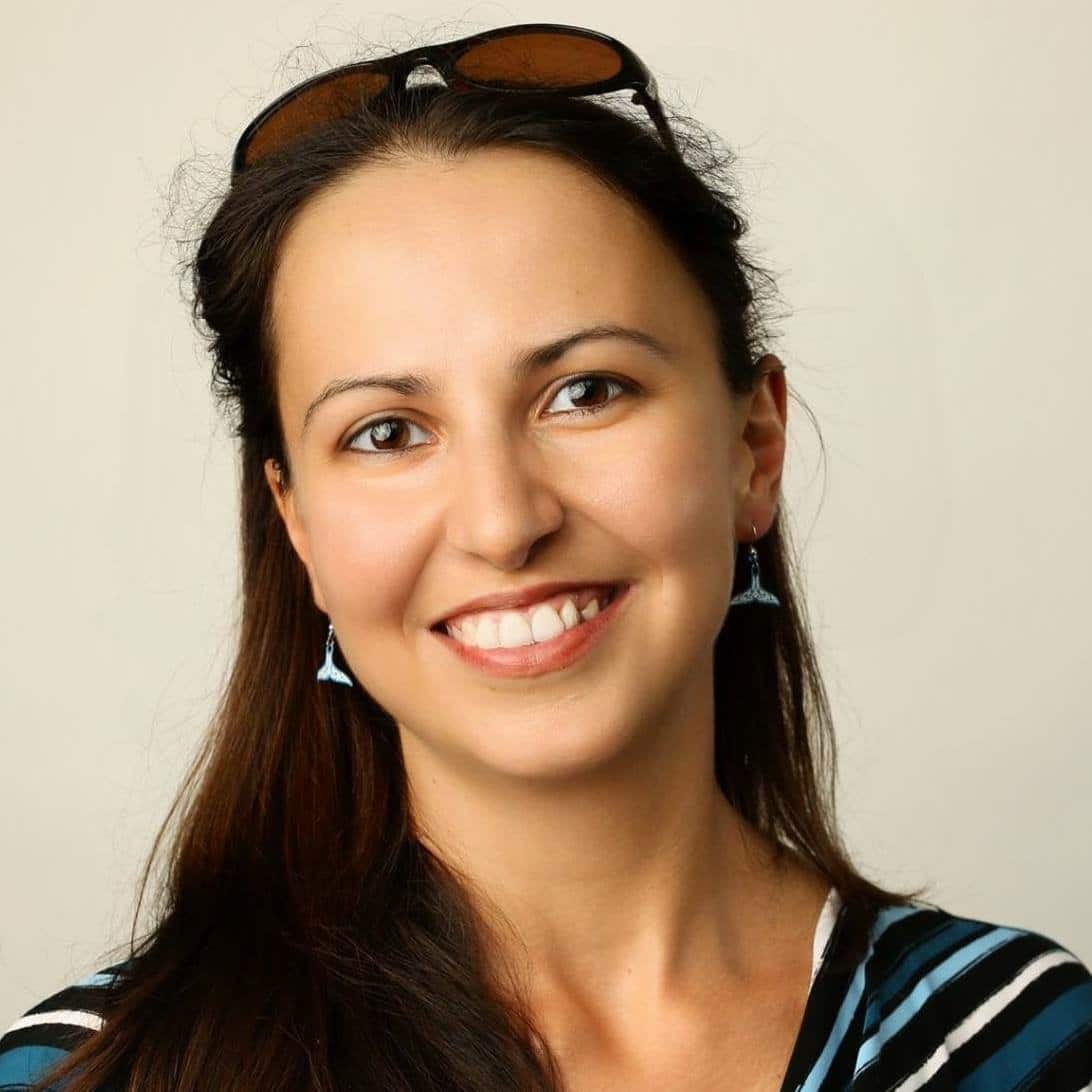
Dr. Lida Teneva is an ocean conservation leader with 15+ years of work in ocean exploration, climate research, marine protection, and ocean philanthropy. She currently serves as CEO of OneReef, an organization dedicated to helping local stewards protect their coral reefs across the Pacific. She has worked in conservation across Pacific Islands, Latin America, East Africa, Antarctica, Greenland, Norway/Svalbard, and Indonesia, focusing on science and effective management of marine protected areas (MPAs) for 15 years with international organizations, policy-makers, and local Indigenous communities. As former VP of WWF, she developed a new global Area-Based Conservation (MPA) program, to strategically strengthen marine protection in Southeast Asia, South Pacific, Latin America, and East Africa. Prior to this, she supported the translation of science into policy in California and created a new Legislative Services program as Director of California Ocean Science Trust, to influence public policy and regulations on ocean and climate issues in California.…...
Read Full Bio
Dr. Lida Teneva is an ocean conservation leader with 15+ years of work in ocean exploration, climate research, marine protection, and ocean philanthropy. She currently serves as CEO of OneReef, an organization dedicated to helping local stewards protect their coral reefs across the Pacific. She has worked in conservation across Pacific Islands, Latin America, East Africa, Antarctica, Greenland, Norway/Svalbard, and Indonesia, focusing on science and effective management of marine protected areas (MPAs) for 15 years with international organizations, policy-makers, and local Indigenous communities. As former VP of WWF, she developed a new global Area-Based Conservation (MPA) program, to strategically strengthen marine protection in Southeast Asia, South Pacific, Latin America, and East Africa. Prior to this, she supported the translation of science into policy in California and created a new Legislative Services program as Director of California Ocean Science Trust, to influence public policy and regulations on ocean and climate issues in California. At the Dalio Foundation, she created ship-based ocean expeditions that led to strengthened MPA protection and new discoveries for sharks and deep-sea species. In prior positions with Conservation International, Wildlife Conservation Society, Lida worked with local, often Indigenous, communities in Hawai‘i and Fiji on empowering them with tools and data to be better stewards of their local fisheries and MPAs, finding strategic opportunities in local policy contexts. Lida has helped found environmental education organizations and holds several NGO Board positions. Originally from Bulgaria, she earned her PhD at Stanford University and Master’s degree at Columbia University. She often teaches marine conservation, ocean law and policy, and polar law. Originally from Sofia, Bulgaria, Lida lives in California.
Dr. Arthur Tuda
Executive Director of the Western Indian Ocean Marine Science Association
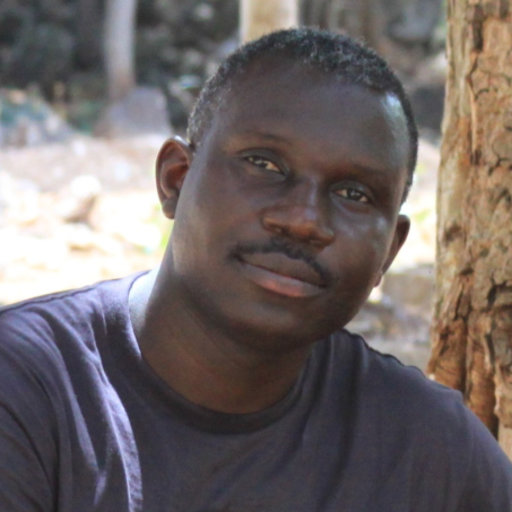
Arthur Tuda is the Executive Director of the Western Indian Ocean Marine Science Association (WIOMSA – www.wiomsa.org). In his current job, Arthur’s goal is to improve the quality and prominence of marine science in the Western Indian Ocean (WIO) region....
Read Full Bio
Arthur Tuda is the Executive Director of the Western Indian Ocean Marine Science Association (WIOMSA – www.wiomsa.org). In his current job, Arthur’s goal is to improve the quality and prominence of marine science in the Western Indian Ocean (WIO) region. Arthur has vast experience in coastal and marine resource management and has previously worked for the Government institution managing marine protected areas (MPAs) in Kenya as the Assistant Director overseeing MPAs in Kenya. Arthur is a certified Marine Protected Area Professional (MPA-Pro) who has received global recognition as a conservation leader. He has contributed immensely to marine conservation work in the WIO region with a particular focus on improving the management effectiveness of MPAs through developing tools that promote compliance, building MPA workers competencies, training and mentoring young scientists and managers. Arthur has also been instrumental in building a strong regional MPA network that brings together MPA managers and communities from across the WIO.
Arthur has also worked and published on fisheries management, marine spatial planning, marine ecosystem services, community-based marine conservation and ocean governance. In parallel with his research and MPA management activities, Arthur has also contributed to community awareness of science through training local community leaders in the management of community conserved areas. He uses his science and management background to develop practical tools that support community engagement in marine conservation. He has contributed to the development of different tools and guidelines for both MPAs and community conserved areas e.g. Guidelines for establishing community-managed areas and tools for improving adaptive management that has been used in Kenya and Tanzania. He is passionate about community engagement and firmly believes that scientists should actively engage with local communities to share and extend their knowledge of the marine environment.
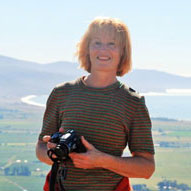
Kathy Walls
Deputy Vice Chair Oceania - New Zealand, and Coordinator - Polynesia Marine Subregion, Regional Expert
Kathy is a marine biologist and currently works for New Zealand’s Ministry for Primary Industries, responding to incursions of invasive alien marine species. ...
Read Full Bio
Kathy is a marine biologist and currently works for New Zealand’s Ministry for Primary Industries, responding to incursions of invasive alien marine species. Previously, she lead the MPA program with the New Zealand Department of Conservation for nearly twenty years before taking up a two-year position in 2006 with the Wildlife Conservation Society, where she lead a large ecosystem-based management and MPA project in Fiji.
Kathy is one of IUCN’s ocean experts and has contributed to numerous global marine conservation initiatives, including World Heritage nominations. She has been the Deputy Vice-Chair (NZ) for WCPA’s Oceania Region since 2011 and contributes regularly to the region’s newsletters.
She is a member of the New Zealand Marine Sciences Society Council and leads the MPA Portfolio, established to advise the Council on current and emerging MPA issues.
The ocean is in her blood. She is a keen yachtswoman, racing regularly in the Wellington Harbour and has made several open water sailing trips, including to Minerva Reef and the Vava’u Islands, Tonga. Snorkelling and SCUBA diving are her other favourite water sports.
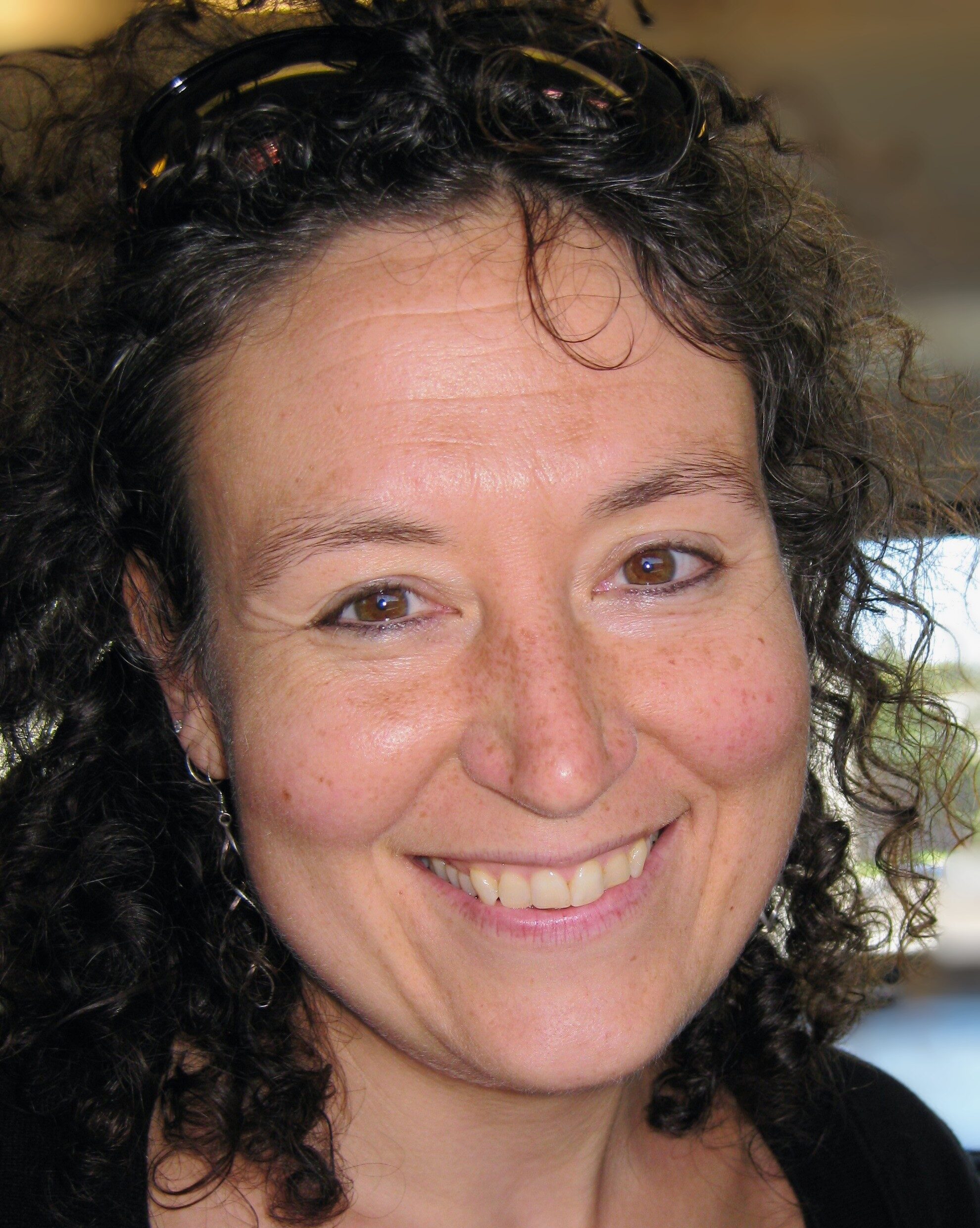
Dr. Heidi Weiskel
Science Lead, Global Ocean Team, International Union for Conservation of Nature
Dr. Heidi Weiskel is an American marine ecologist who spent her summers at the Isles of Shoals off the coast of New England, an experience she credits for her
lifelong dedication to marine ecology and coastal community protection. She has a BA from Harvard University; an MS from Tufts University; and a PhD from the
University of California, Davis, where she studied the effects of nutrient pollution on marine invertebrates. She did her postdoctoral work at the University of Georgia.
Heidi was the Director of Pollution Policy at the Pew Oceans Commission, a Research Fellow at the U.S. Marine Mammal Commission, and a Staff Scientist with
the Environmental Law Alliance Worldwide, where she built and directed the Marine Program. She has worked as an Environmental Research Fellow at the
Permanent Court of Arbitration and a science editor at UNESCO.…...
Read Full Bio
Dr. Heidi Weiskel is an American marine ecologist who spent her summers at the Isles of Shoals off the coast of New England, an experience she credits for her
lifelong dedication to marine ecology and coastal community protection. She has a BA from Harvard University; an MS from Tufts University; and a PhD from the
University of California, Davis, where she studied the effects of nutrient pollution on marine invertebrates. She did her postdoctoral work at the University of Georgia.
Heidi was the Director of Pollution Policy at the Pew Oceans Commission, a Research Fellow at the U.S. Marine Mammal Commission, and a Staff Scientist with
the Environmental Law Alliance Worldwide, where she built and directed the Marine Program. She has worked as an Environmental Research Fellow at the
Permanent Court of Arbitration and a science editor at UNESCO. Heidi is now the Science Lead for the Global Ocean Team within the International Union for Conservation of Nature (IUCN), and a Marine Advisory Committee Member of the World Commission on Protected Areas. She leads the Union’s work on polar biodiversity protection and marine geoengineering. She is the President of the Board of the Mangrove Action Project, serves on the board of the Center for Marine Justice, and is a lead coach with the Mira Fellowship. She is based in Washington, DC.
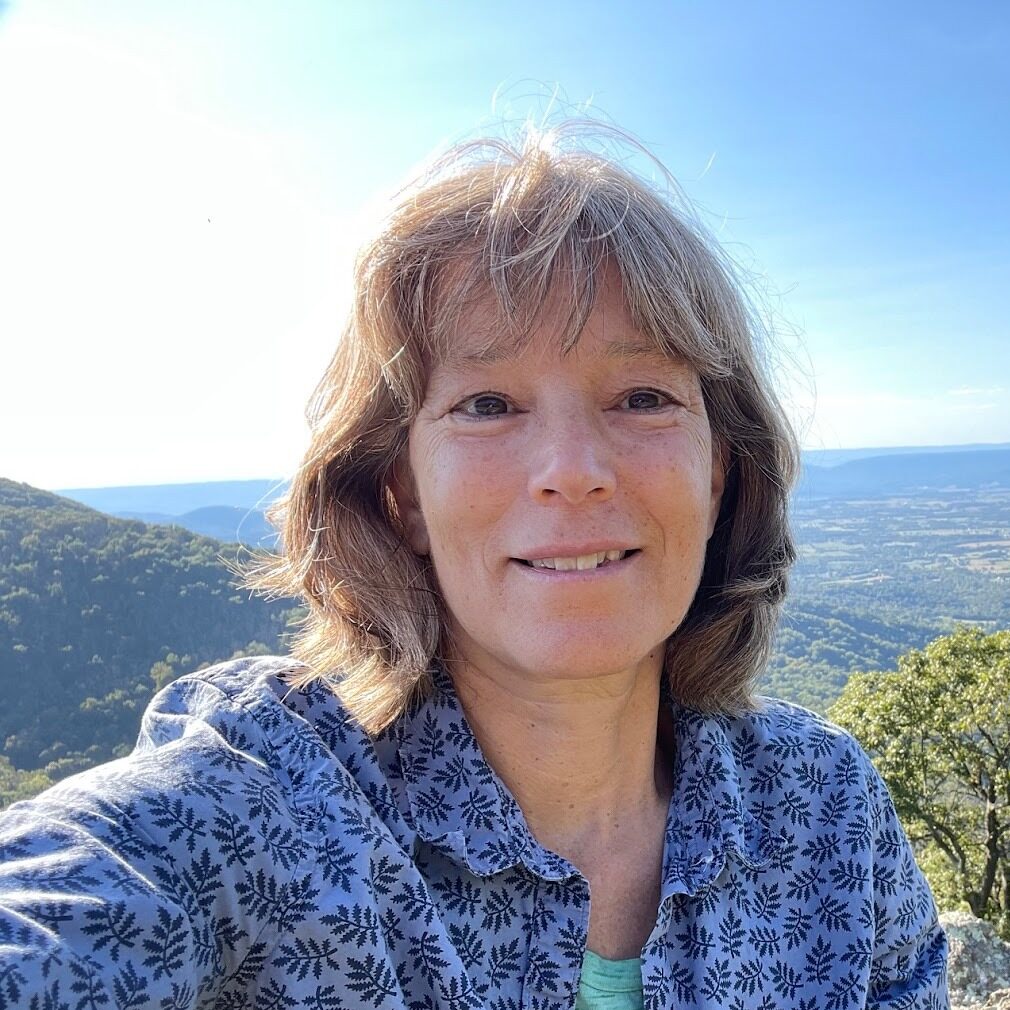
Lauren Wenzel led the National Marine Protected Areas Center at the U.S. National Oceanic and Atmospheric Administration (NOAA) from 2012-2025. As a member of IUCN’s World Commission on Protected Areas, she co-leads the Climate Change Specialist Group, continuing her work connecting and strengthening diverse protected and conserved areas and building their resilience to climate change through capacity building, information and tools. Her focus is on building partnerships among marine and coastal programs, Indigenous Peoples, communities and stakeholders to demonstrate and communicate the value of protecting the ocean’s most important places.…...
Read Full Bio
Lauren Wenzel led the National Marine Protected Areas Center at the U.S. National Oceanic and Atmospheric Administration (NOAA) from 2012-2025. As a member of IUCN’s World Commission on Protected Areas, she co-leads the Climate Change Specialist Group, continuing her work connecting and strengthening diverse protected and conserved areas and building their resilience to climate change through capacity building, information and tools. Her focus is on building partnerships among marine and coastal programs, Indigenous Peoples, communities and stakeholders to demonstrate and communicate the value of protecting the ocean’s most important places.